
Disclosure: These are my personal experiences with chemotherapy, not medical instructions. Chemotherapy drugs and safety precautions vary considerably. Always follow the guidance from your oncology team about post-treatment precautions, side effects, medications, nail changes, and when to seek medical care.
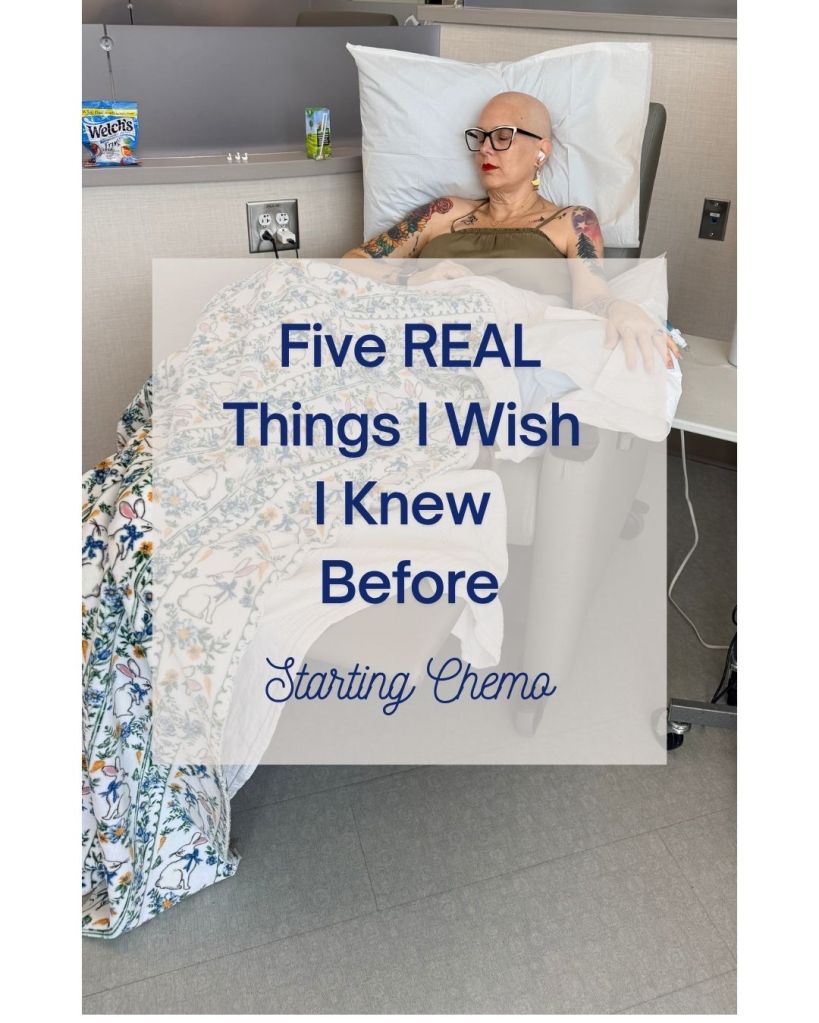
Before I started chemo, I thought I had a pretty good idea of what was coming. We’ve all seen it on TV and in the movies, and most of us know someone who has gone through it. You lose your hair. You’re exhausted. You feel like crap. I thought I at least knew the basics.
At the appointment leading up to my first treatment, my doctor went over all the usual suspects—hair loss, fatigue, nausea, and the long list of things I might experience. I was also handed a giant handbook filled with possible side effects, warning signs, and instructions for what to do if—or, more realistically, when—something came up.
Of course, the second I walked out of that exam room, I couldn’t remember much of that conversation.
Okay, who am I kidding? I couldn’t remember ANY of the conversation.
The only thing running through my head was:
This is going to suck so dang much.
But hey, at least I had the handbook!

I went into this journey knowing one thing: cancer fugging SUCKS. I couldn’t change that. What I could change was how I chose to remember this chapter of my life.
I didn’t want to look back on these months and only remember the fear, the sickness, the exhaustion, and all the other terrible parts. And trust me, there are plenty of terrible parts and not nearly enough good ones.
So sometimes, you have to create the good yourself. You have to celebrate the ridiculous things, laugh at the weird things, make traditions out of moments that shouldn’t need traditions, and hold onto every little bit of joy you can find.
Because when the bad memories seriously outnumber the good ones, you have to make sure the good ones are loud enough to stand out.
There were so many things that happened during my 12 weeks of treatment that nobody really talks about. And NOT in that handbook! Some were difficult. Some were gross. Some were just plain weird. And somehow, some of them turned into memories that I genuinely treasure—which is definitely not something I ever expected to say about chemotherapy.
So, for anyone about to start this journey, here are five things I really wish someone had told me before I started chemo.
1. You Remain Toxic For 48-72 Hours After Treatment
One of the biggest surprises for me was learning that for roughly the first 48–72 hours after treatment, chemotherapy drugs can still be present in your bodily fluids.
Urine, poop, vomit—and depending on the medication, potentially other body fluids—can contain traces of the drugs or their breakdown products while your body is processing and eliminating them. Your oncology team may give you specific precautions based on the drugs you’re receiving, because the recommended time period and precautions aren’t exactly the same for everyone.
In our house, we gave this period a much better name:
The Poison Dart Frog Stage.
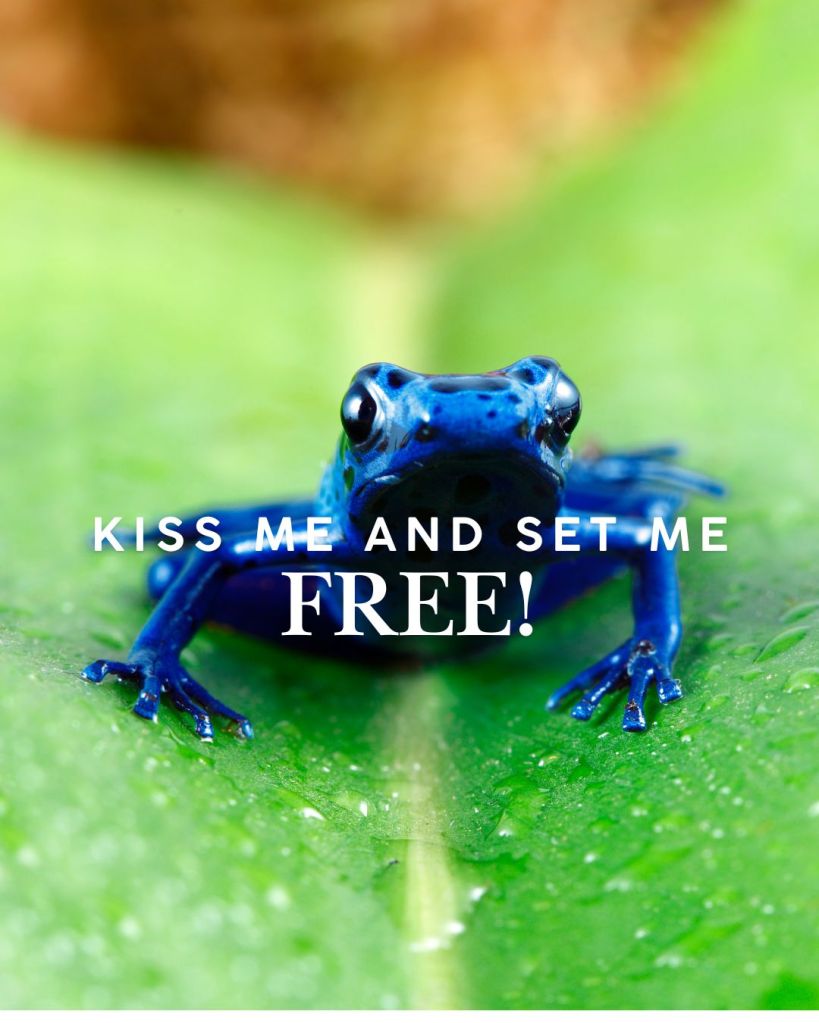
Because telling your kids, “Mommy has potentially hazardous chemotherapy metabolites in her bodily fluids” is significantly less fun. Plus, when I did say that, both of my twins looked at me with gaped mouths like WTF mommy.
During my poison dart frog stage, we were careful about bathroom hygiene and followed the precautions my oncology team gave me. That meant things like closing the toilet lid before flushing, cleaning the toilet after I used it, washing my hands really well, and being extra cautious with anything involving bodily fluids. If someone else needed to clean up urine, vomit, or another bodily fluid, gloves were important.
And yes, pets matter too. This isn’t the time to let the dog drink out of the toilet—which, to be fair, is hopefully a rule already. And it is in our house as well, but every once in a while, they decide toilet water is their delicacy for the day. EW.
Luckily, my dogs aren’t big on licking people, so that part wasn’t much of an issue.
Our cat, Oscar, was a completely different story.
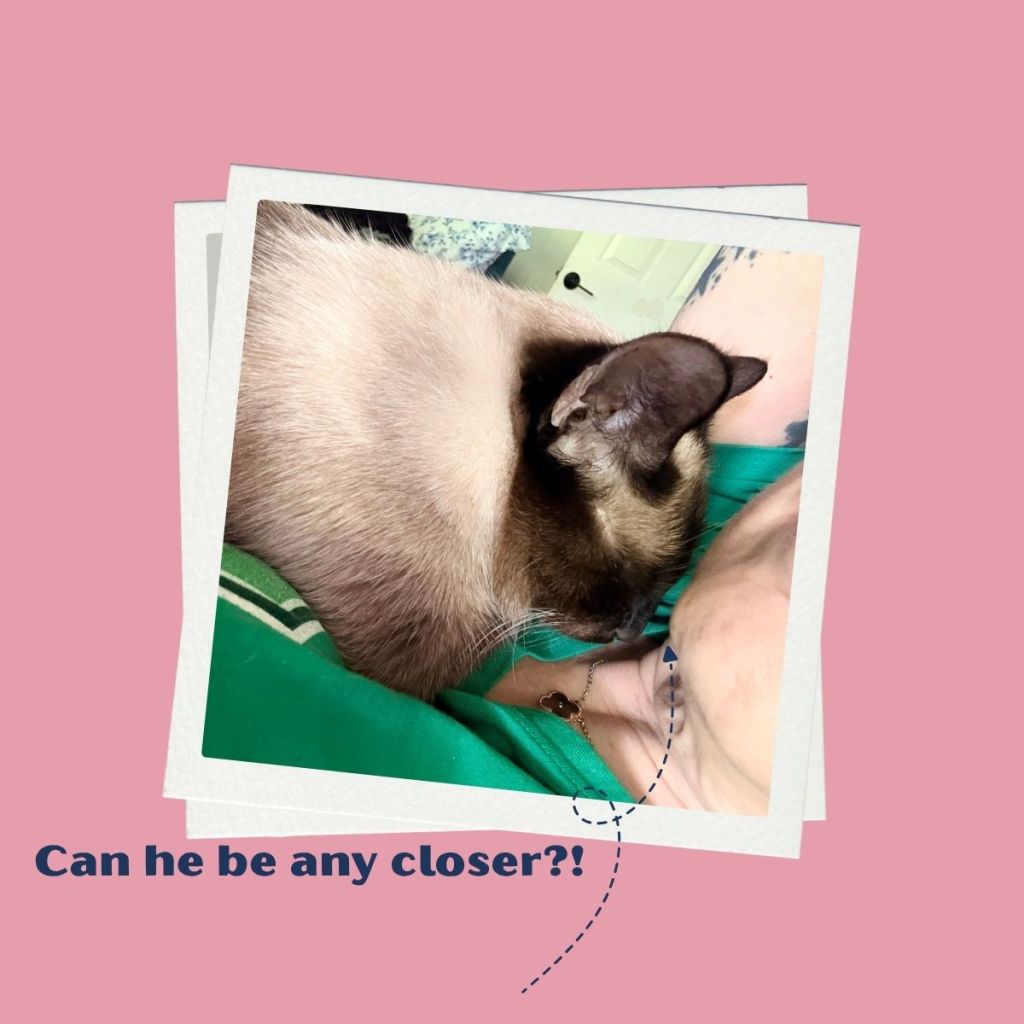
Oscar is OBSESSED with me and licking my face. And I mean OBSESSED. Normally, if my face is within reach, the first thing from him is an awkwardly long scratchy tongue bath. Yes, I know, it’s weird AF.
But look at him down below here. He knew he could not lick me, so he got as humanly possible without touching my face! See, I told you he’s Obsessed with me. LOL.
Interestingly, though, every time I came home from treatment, he seemed to know something was different. For that first day or so, he would actually sit a little farther away from me—as if he somehow knew, Nope. Mom is poisonous today. They say animals can sense changes in us, and Oscar certainly seemed to.
But by the next day?
All bets were off.
Apparently, whatever internal sensor he had was no match for his overwhelming need to lick my face. Suddenly, he HAD to be right up in my business, trying to lick me like he had never licked anything in his entire life. Keeping him at a distance was NOT an easy task.
But look at him down below here. He knew he could not lick me, so he got as humanly possible without touching my face! See, I told you he’s Obsessed with me. LOL.
But Oscar wasn’t the hardest part.
The kids were.
They, too, are obsessed with me. LOL.
I don’t know what your kids are like, but mine can somehow sense the exact moment my butt gets within one inch of the couch. Before I’ve even fully sat down, there they are—one on each side, ready to snuggle. I do not get a moment’s rest with those two, and truthfully, I wouldn’t have it any other way.
We’re also a big-hug, sloppy-kiss-on-the-forehead kind of family. And let’s not forget that we live in the South, where the humidity is NO JOKE. Sweat is a bodily fluid, and while most reasonable people probably aren’t lining up to kiss a sweaty, moist forehead, my children have never claimed to be reasonable people.
So during those first few days after treatment, I was extremely cautious. One of the precautions we chose for our family was limiting really close contact—especially kissing—while I was in what we affectionately called my “poison dart frog stage.”
Not being able to just grab my girls and kiss them whenever I wanted was awful.
So, we did what our family does best.
We made it fun.
We had countdown parties.
My twins would literally count down the time until I was officially no longer a poison dart frog. And when that countdown finally hit zero, I’d yell:
“Girls! Guess what time it is?!”
And they would come RUNNING.
Bring on the hugs. Bring on the kisses. Bring on all the snuggles we had been saving up.
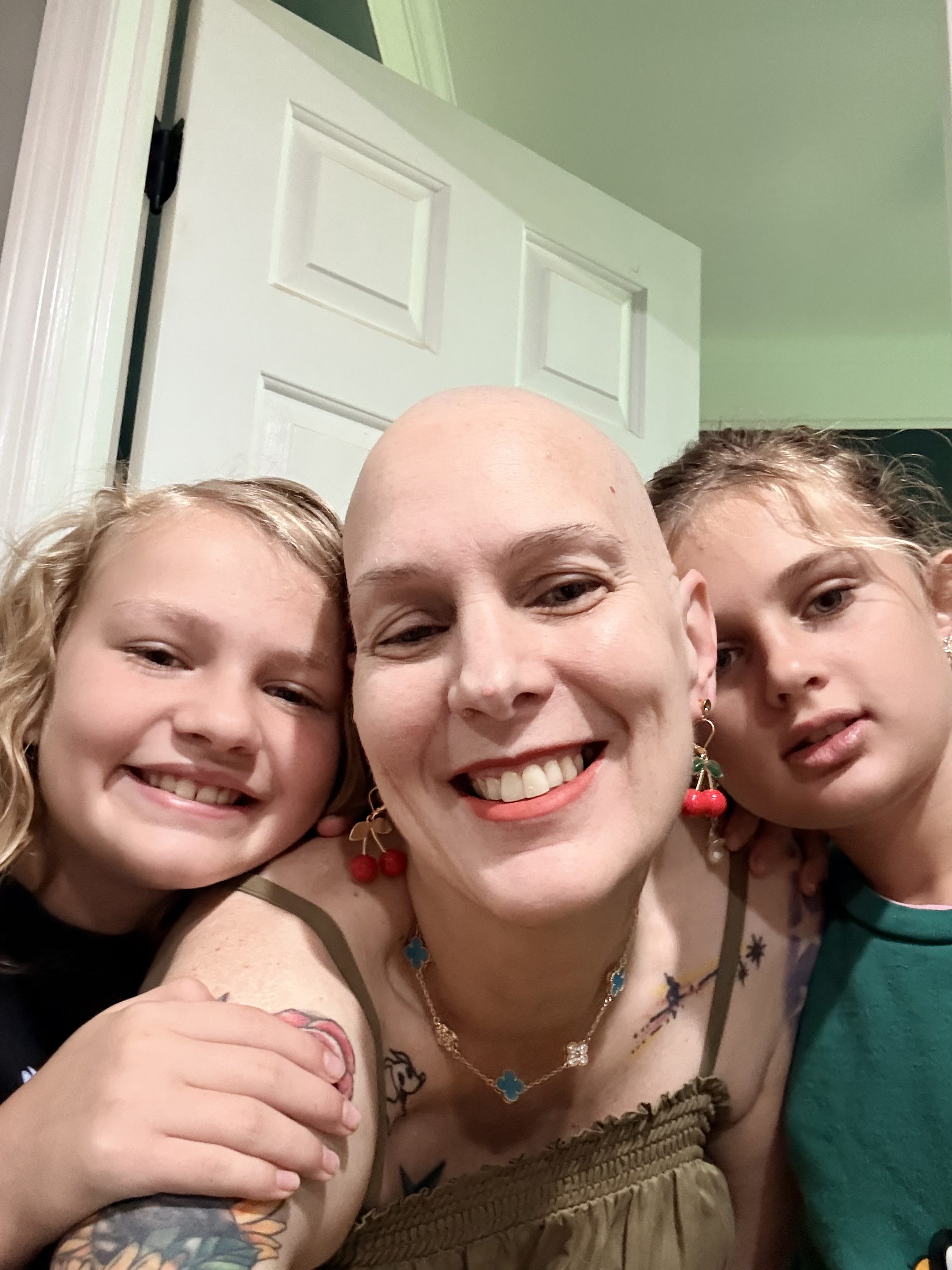
Looking back, those countdowns are actually some of my favorite memories from chemo. We took something scary, confusing, and miserable and turned it into something the girls could understand—and even look forward to.
Before one of my treatments, I accidentally captured one of the sweetest moments of the entire experience. My phone had started recording in my pocket, and you could hear my girls asking me to give them big red kisses on their foreheads before I left so the kisses would last the two days until I wasn’t a poison dart frog anymore.
Of all the things I expected chemotherapy to give me, a memory like that certainly wasn’t one of them.
But that one?
That one I’ll keep.
If you’re getting ready for chemo, ask your oncology team BEFORE your first treatment exactly what precautions they want you to take at home, how long they want you to take them, and what they recommend regarding children, partners, pets, laundry, bathrooms, and bodily fluids.
Then stock up on gloves, cleaning supplies, snacks and movies.
One recommendation: if you can work from home for those first few days after treatment, DO IT.
Because who wants to clean the work toilet every time they pee?
Eww.
Also, for me I was a lot more tired than I anticipated. Being able to work from home during your chemo treatments lessens the amount of energy you need to get to work, etc. And trust me, you need all the energy you can keep during this stage.
2. Your Taste Buds Change
Nobody adequately prepared me for how aweful food would become. And it took me a bit to correlate the change with chemo. Because I’ll be honest the first time I noticed it was with some Papa John’s pizza and that is not exactly the best example to use for taste. Sorry Papa Johns, I mean no hate, you do taste better outside of chemo. But then I noticed on everything I ate. Like candy… I have a major sweet tooth and boy howdy did that time period almost make me give up sweets for good.. almost.
My taste buds changed after every treatment.
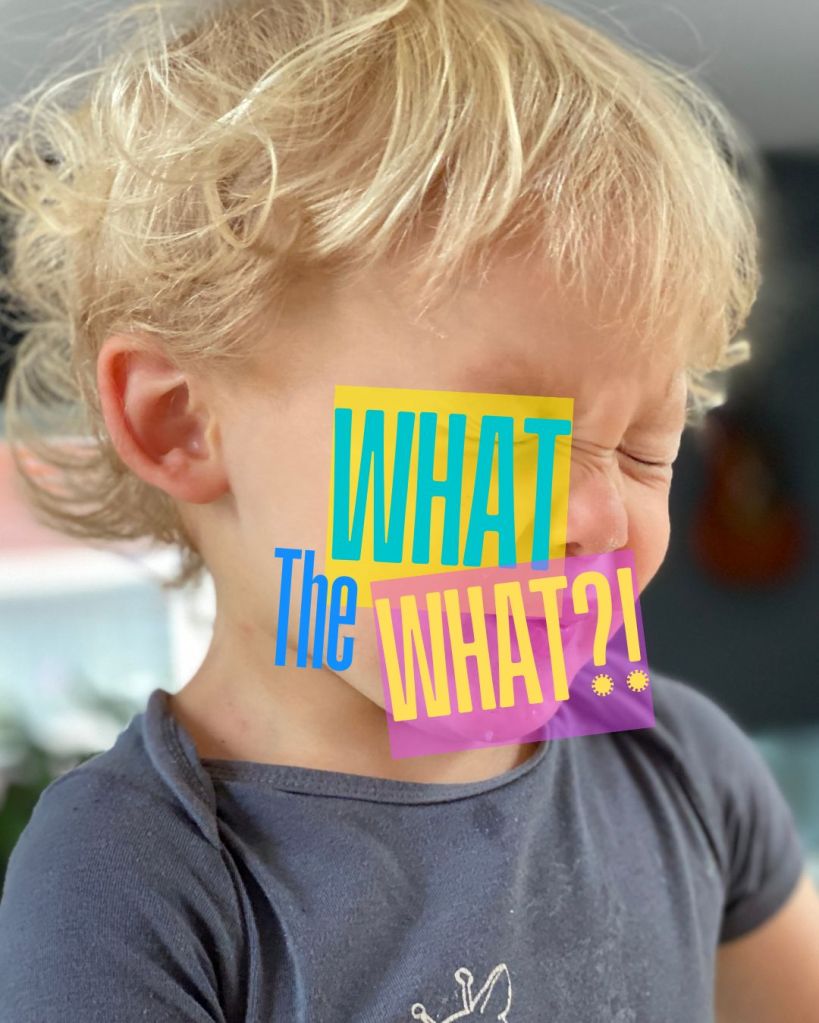
Something that tasted perfectly normal one week could suddenly taste metallic, bitter, bland, overly sweet, or just…wrong.
And there is actually a reason for this.
Chemotherapy targets rapidly dividing cells. Cancer cells divide rapidly, but unfortunately, they’re not the only cells in our bodies that do. The cells lining our mouth and the cells involved with taste are constantly renewing themselves too.
Chemo can temporarily interfere with that process. It can also cause dry mouth, mouth irritation, changes in saliva, and changes in your sense of smell—all of which can change how food tastes.
Basically, your favorite meal can suddenly taste like someone prepared it using ingredients purchased from a hardware store.
The frustrating part was that there wasn’t necessarily one reliable “chemo food.” My tastes could change again after the next treatment.
So my advice is: don’t stock up too heavily on anything just because it tastes good right now.
Tomorrow your body may decide that another one of your favorite foods is disgusting.
Chemo keeps things exciting like that. But the good news is it comes back!
3. Wait…You Can GAIN Weight During Chemo?!
This one genuinely shocked me.
When most of us picture someone going through cancer treatment, we picture someone frail, losing weight, and seemingly withering away before our eyes.
So imagine my surprise when I finished 12 weeks of chemotherapy 20 pounds heavier.
Yep.
TWENTY. POUNDS.
UGH.
Thankfully, I’ve already lost some of it since finishing chemo. But as someone who struggles with body dysmorphia and had recently worked incredibly hard to lose more than 100 pounds, watching that number climb was not something I handled well.
And if I’m being truthful, I’m still struggling with it—especially knowing I still have more treatment ahead of me.
For example…
Hormone blockers. Hellloooo, medically induced menopause.
I’ll save that experience for another post because it deserves its own chapter.
What I didn’t realize before chemo was that weight gain during treatment can happen, and there can be several reasons for it.
Steroids are commonly given with certain chemotherapy regimens to help prevent allergic reactions and manage nausea and inflammation. Unfortunately, they can also increase your appetite, cause fluid retention, affect blood sugar, and occasionally make you feel like you could eat the entire refrigerator.
Then there’s the fatigue.
I already have chronic pain that I have dealt with for over 20 years, so I’m used to fatigue. But chemo fatigue just seems to hit a little harder. When your body feels like it has been hit by a semi-truck, you probably aren’t worried about hitting your daily step goal. Some days, getting off the couch and walking to the bathroom deserves its own little fitness award.
Add in hormonal changes, stress, changes in eating habits, fluid retention, constipation, and medications used to manage treatment side effects, and suddenly the scale can start moving in the exact opposite direction from what you expected.
And that can be really hard.
One thing I had to keep reminding myself was that my body was going through something enormous. The goal during chemotherapy wasn’t to win a weight-loss competition. It was to get through treatment, nourish my body, stay as strong as I reasonably could, and heal.
That being said…
I still wasn’t thrilled about those 20 pounds.
So, what can you actually do?
If weight gain is something you’re concerned about during treatment, talk with your oncology team early rather than waiting until it becomes upsetting. They can help determine whether changes on the scale are from increased body fat, fluid retention, medications, hormonal changes, or something else—and those things aren’t managed the same way.
For me, I think the biggest lesson is don’t try to fight chemo with a crash diet. Your body needs nutrition while it’s working ridiculously hard. Instead, focus on the things you can reasonably control: prioritize protein and nutrient-dense foods, keep easy healthy options around for the days when you feel terrible, drink plenty of fluids, and move your body when you’re able—even if “exercise” that day is just a short walk around the house.
It also helps to recognize when steroids are talking. There is regular hunger, and then there is steroid hunger, where suddenly you eat like you’ve never eaten anything in your life! Planning meals and snacks ahead of those days can make it a little easier.
And give yourself some grace when none of that happens.
There were days when eating whatever sounded remotely edible was more important than whether it fit into some nutrition plan. There were days when resting was more important than getting my steps in. Cancer treatment is not the time to punish your body because the scale isn’t behaving the way you want it to.
If you notice rapid or sudden weight gain, significant swelling, shortness of breath, or other new symptoms, tell your treatment team rather than assuming it’s ordinary treatment weight gain.
Yes, I gained 20 pounds, and no, I was not happy about it. But my body also carried me through 12 weeks of chemotherapy, and that matters more, right now. I can work on losing the weight later; getting through treatment has to come first.
4. Being Bald SUCKS. But, So Do Hair Pieces
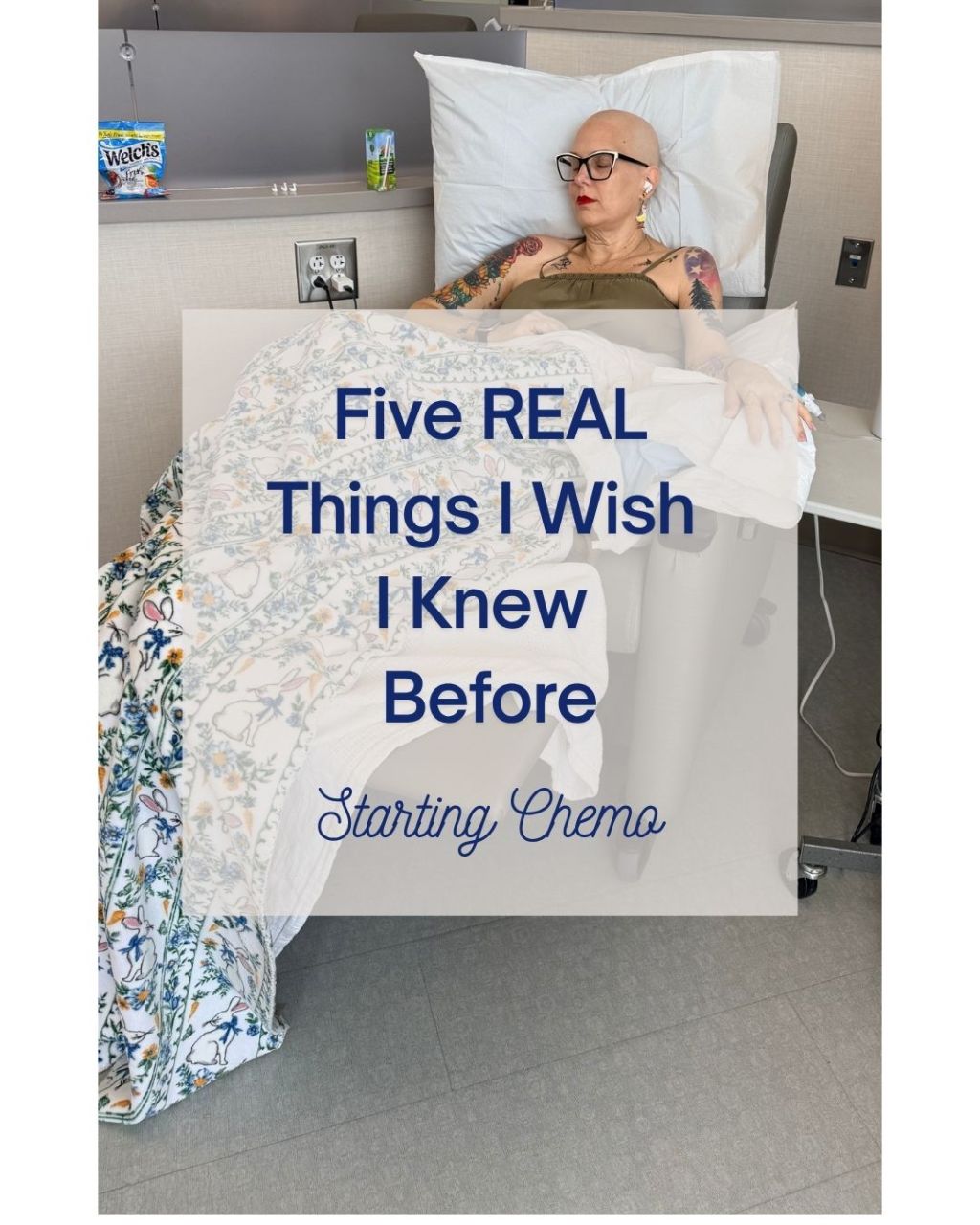
I prepared myself for losing my hair in every way I could think of. I bought wigs, scarves, and hats, imagining I would rely on them to feel more comfortable and more like myself. Then my hair fell out, and I barely wore any of them. After all that preparation, I found that covering my head was not nearly as important to me as I thought it would be.
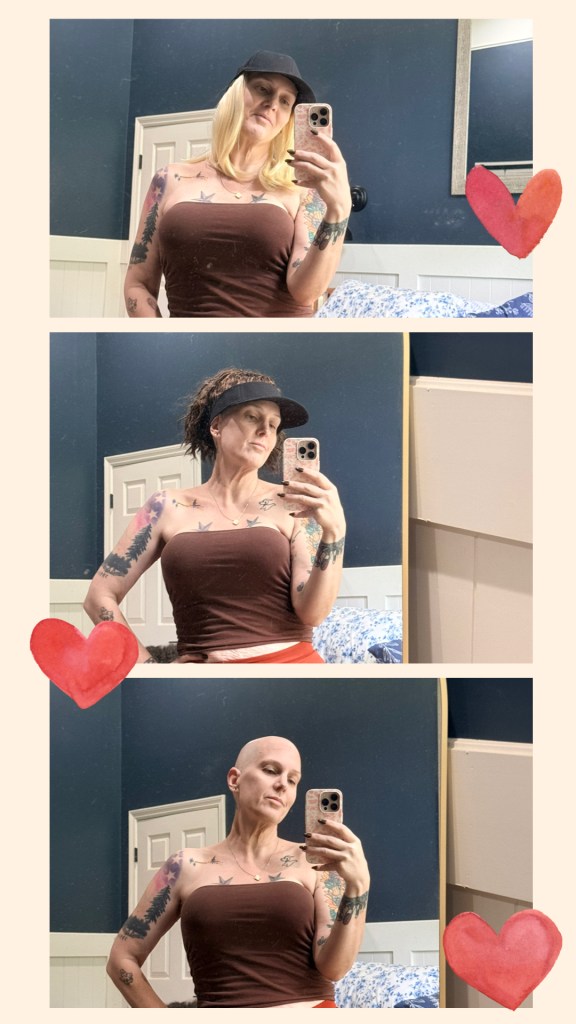
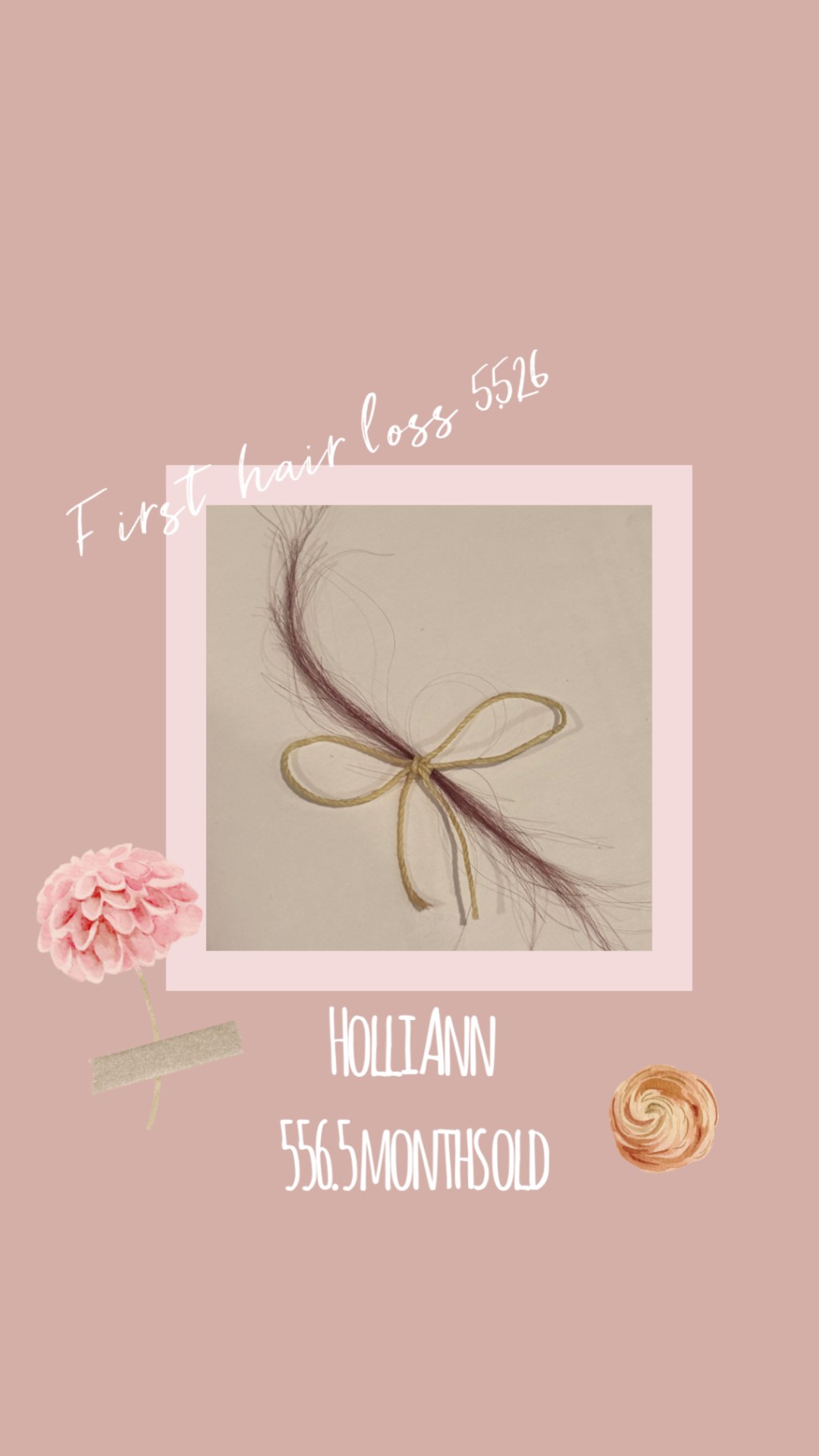
Don’t worry, I cried like a baby when I saw my first pile of hair fall out. And I am verrrry excited to see what my hair ends up looking like now that it is finally growing back.
But let me tell you what…
Losing your hair in summertime in the south SUCKS! It’s too hot outside for wigs. Too cold inside without something covering your head. I was in a constant state of freezer burn!
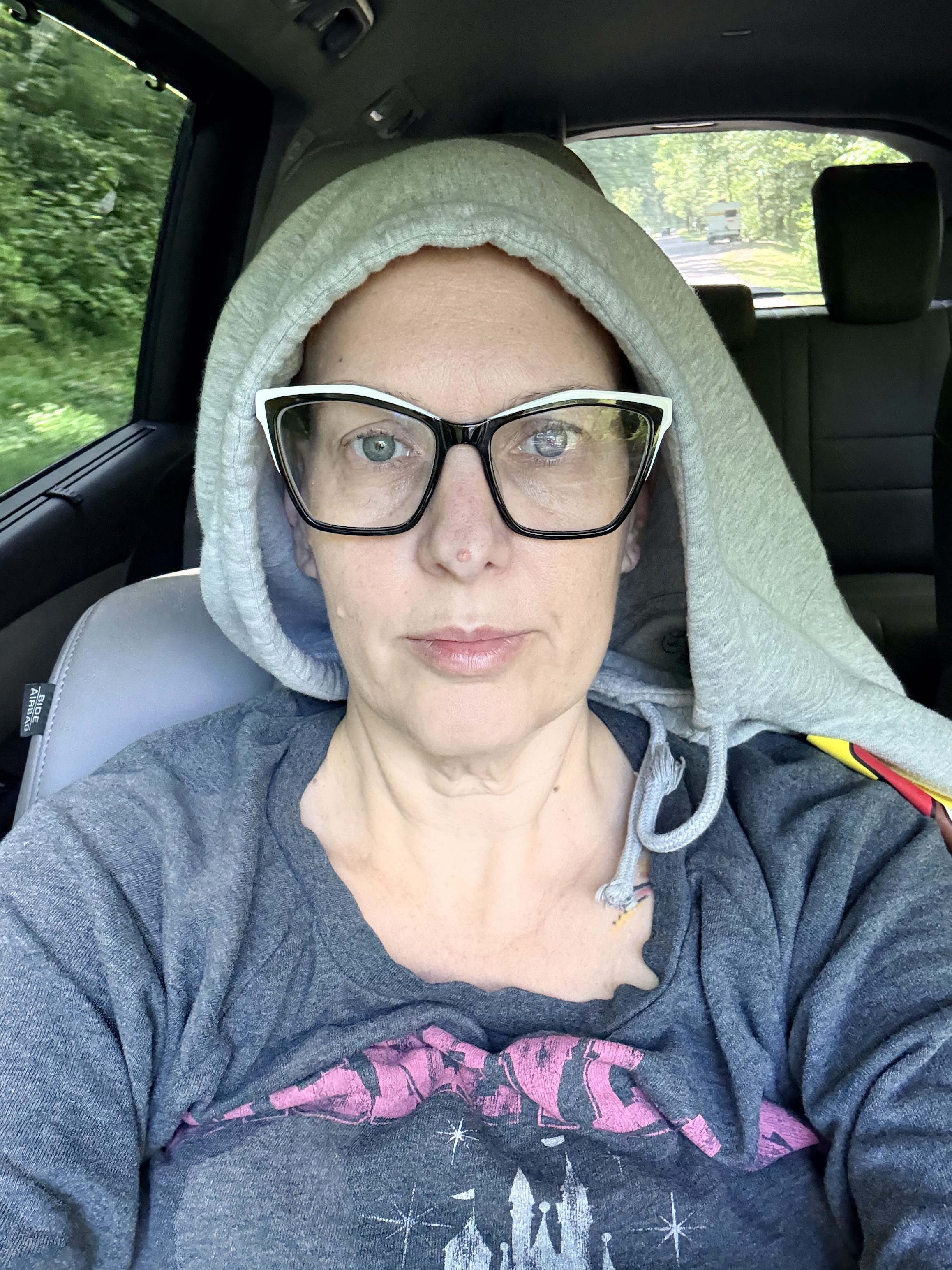
Eventually I just embraced being bald.
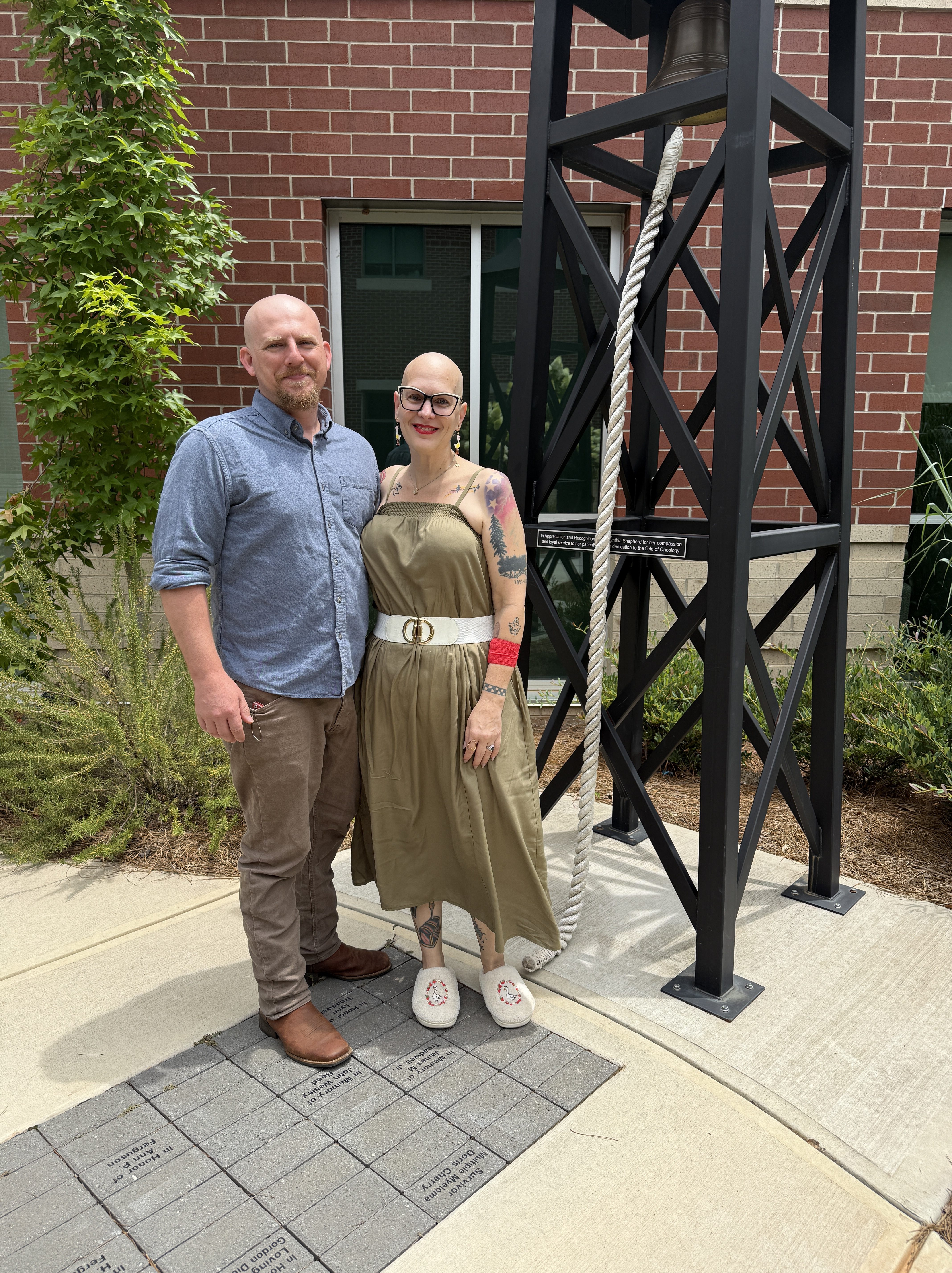
I did keep a bandana in my purse, though, because whenever I went to a restaurant, it seemed like I was always seated directly beneath an air-conditioning vent. Without hair, even a light breeze can make your head surprisingly cold.
I know that going bald is not easy. Our hair is often closely tied to our identity, and losing it can bring up fears we never expected. We worry that people will stare, that they will treat us differently, or that they will stop seeing us and only see someone with cancer.
Some people also have deeply personal reasons for keeping their diagnosis private. There is absolutely nothing wrong with wearing a wig, scarf, hat, bandana, or anything else that helps you feel comfortable and confident. There is no right or wrong way to handle hair loss.
For me, though, going bald eventually became incredibly freeing. I stopped trying to hide what I was going through and allowed myself to be seen as I was. Cancer did not erase the person I was before my diagnosis. I am still me – just me going through something incredibly difficult.
And I discovered something else I wasn’t expecting:
People are really kind, and I chose not to interpret that kindness as pity. Being visibly bald opened the door to conversations with people who had cancer, survivors, caregivers, those whose loved ones had been diagnosed, and complete strangers who simply wanted to say something kind.
Those conversations gave me opportunities to talk honestly about what living with cancer actually looks like. Admittedly, my version of cancer awareness probably included more inappropriate jokes than the average person’s, but humor helped me cope and allowed me to remain myself.
I decided early on that I did not want to look back at this period of my life years from now and remember only the misery. Cancer was part of my life, but I refused to let it become my entire life.
5. Your Veins Disappear
I used to have the most beautiful veins. When I was in medical assistant school many years ago, everyone wanted to practice on me because my veins were plump, juicy, and – most importantly – nearly impossible to miss. Honestly, the students who still missed them probably should not have been allowed near a needle and tube. And yes, there were a couple who just could not do it.
My veins stayed that way throughout my life. Even when I was severely overweight, you could practically find one with your eyes closed and hit it every time.
After surgery revealed cancer in my lymph nodes, everything changed. My care team could no longer use my right arm for blood pressure readings, blood draws, or IVs. From that point forward, everything had to happen through my left arm.
When I learned I needed chemotherapy, I did not give much thought to my veins. Thankfully, I was only a few points away from needing the “Red Devil,” which often requires a port because of how frequently treatments are given. Since I only needed four rounds of chemotherapy, a port was not considered necessary.
Each treatment day began with lab work, followed by an appointment with my doctor, and then chemotherapy. That is a lot of pokes for one arm.
Over time, my veins began to blow with nearly every attempt. They shrank, weakened, and some still have not bounced back. Nurses and phlebotomists had to get creative, finding new places to draw blood or start an IV. You could practically trace the path the chemotherapy traveled by looking at the veins it damaged along the way.
Now, almost three months after finishing chemotherapy, my veins may look as though they are healing, but appearances can be deceiving. When I had labs drawn this week, the phlebotomist got blood on the first try – a small victory – but the vein still blew.
My once plump, reliable veins have become another unexpected casualty of cancer treatment.
Bonus Lesson!
Maybe this should have been number one because it is the most important thing to understand: there is no single chemotherapy experience. Some people lose weight, while others gain it. Some people wear wigs every day and love them, while others feel more comfortable going bald. Some people experience terrible nausea, while others experience very little. Your experience may look completely different from mine.
I wish I had known more about the smaller, less-discussed side effects before I started treatment. Knowing about them would not have changed what happened, but it might have made some of those moments feel less surprising.
If you are reading this because you are about to begin chemotherapy, I hope you remember that you are still allowed to live while you are fighting cancer. You can laugh at the ridiculous moments and complain about the painful ones. You can feel scared one day and joke about an awkward side effect the next. There is no right way to cope, and cancer does not get to dictate your personality.
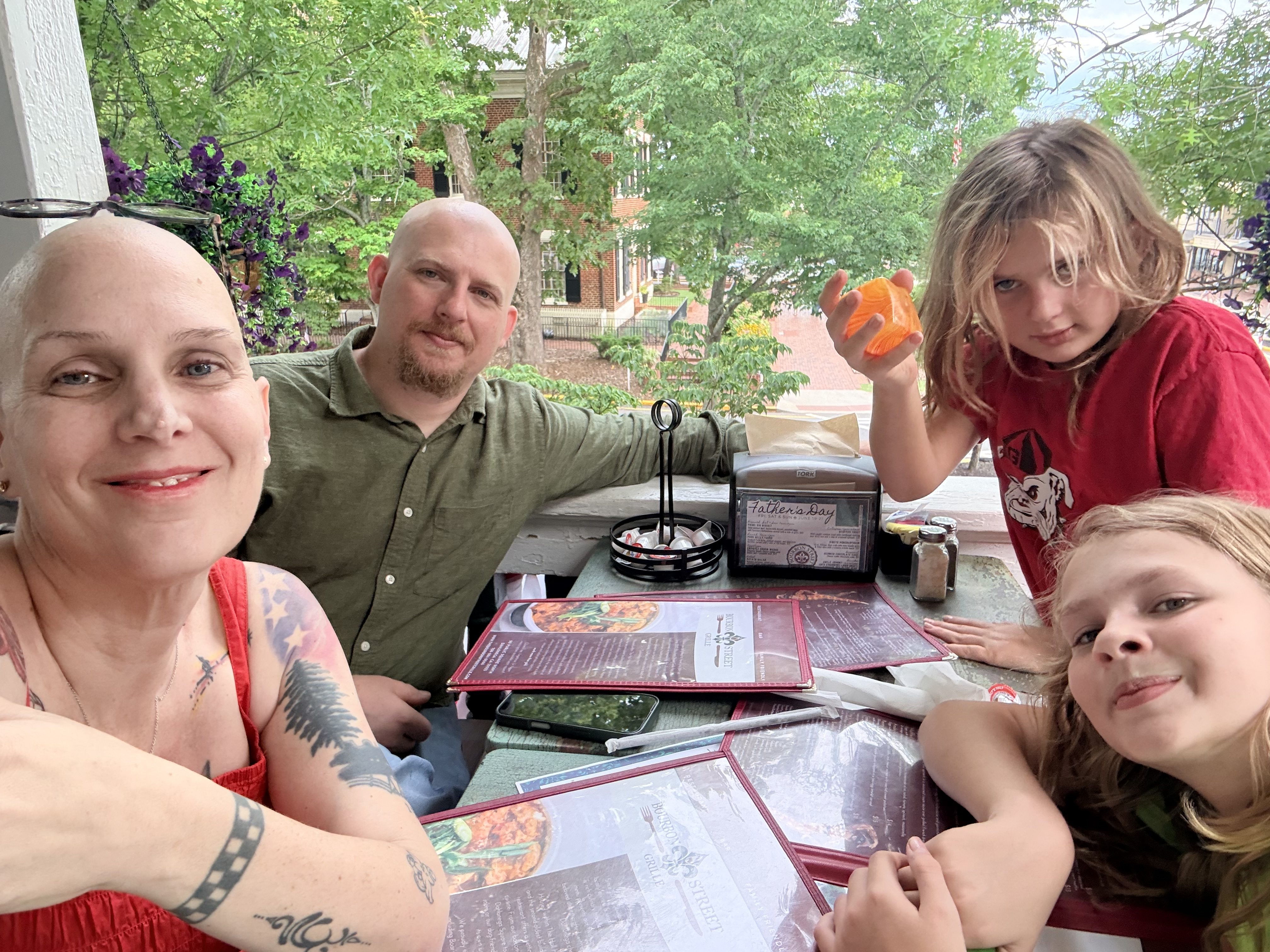
For me, humor helped keep pieces of normal life alive during a very abnormal time. Chemotherapy took my hair, changed my taste buds, and gave me 20 pounds I did not want. It temporarily took away my ability to kiss my children whenever I wanted, and weeks after treatment ended, it was still affecting my fingernails.
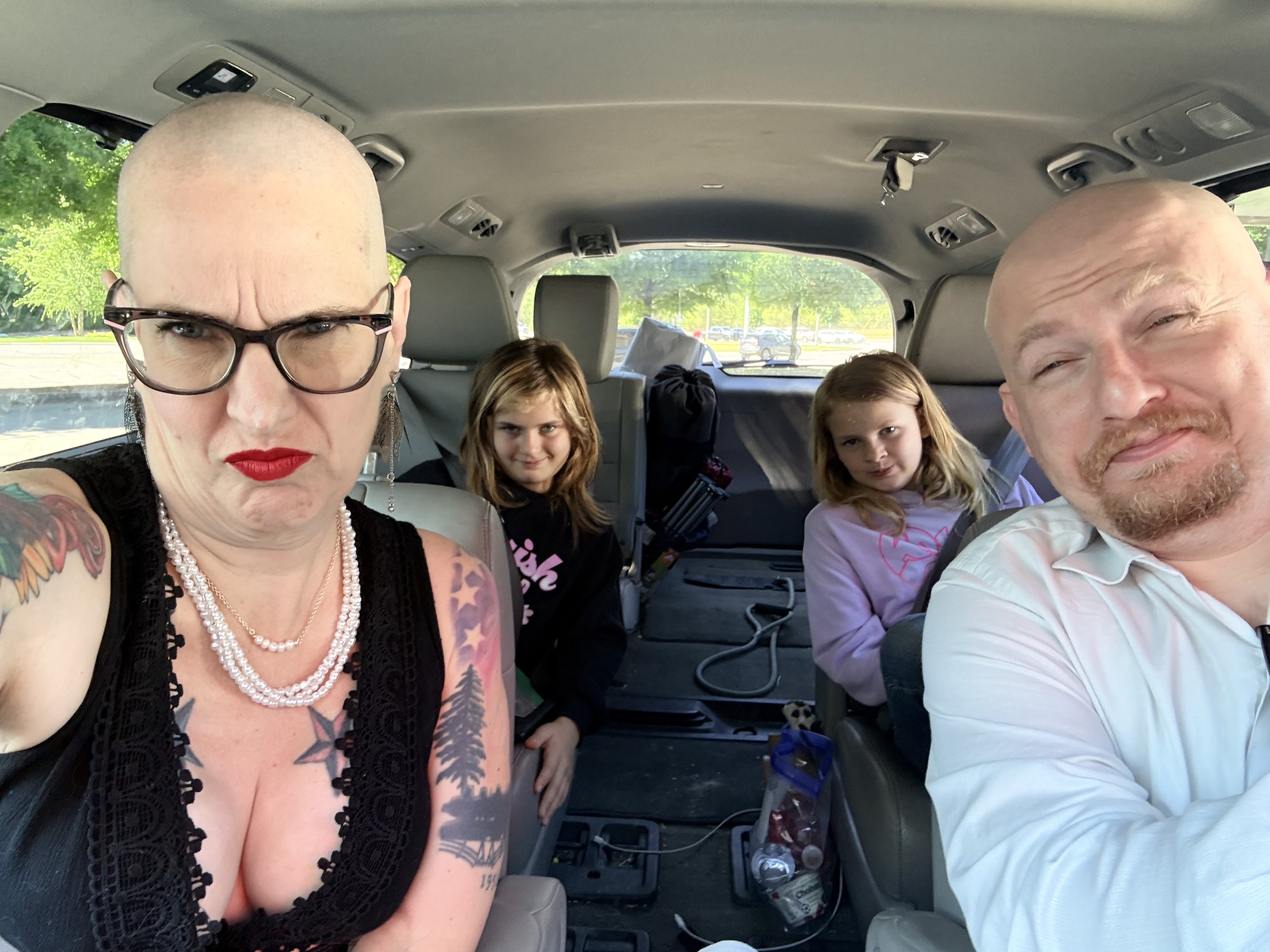
But chemotherapy did not take away who I am. That is what I wish I had truly understood before I started.
Thank you for taking the time to read my story.

 Mom Desserts
Leave a comment